
Luxemcore Insights • Renovation
Renovate or Rebuild? How to Decide for an Older House
For an older house, we do not think the first question should be “Ilang taon na ba?” The better question is: which parts still have useful value, and which parts are already creating more risk than savings?
Choose between renovation and rebuilding after inspecting the structure, roof, electrical, plumbing, moisture damage, layout limitations and hidden conditions. Age alone is not enough to decide.
Renovation becomes expensive when the owner pays to preserve components that should have been replaced—or demolishes useful parts that could have stayed. A component-by-component condition review gives a much better starting point.
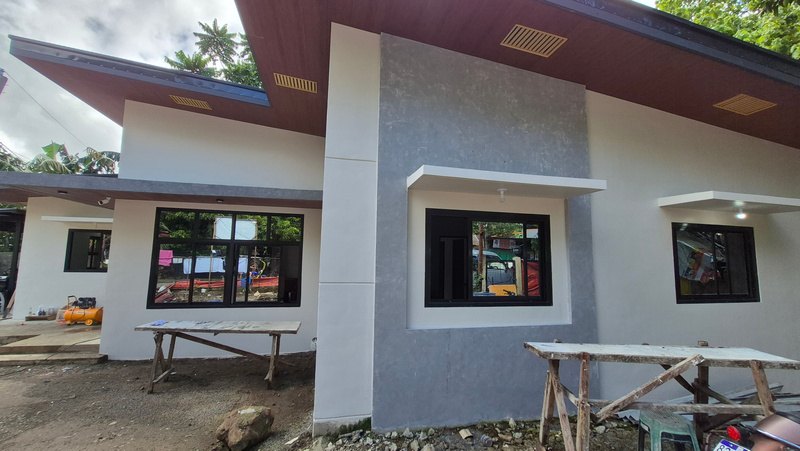
We like to classify existing work into four simple decisions
The roof may need replacement while the main structure remains serviceable. A bathroom may need full rebuilding while other rooms only need finishes. Treating the whole property as either “renovate” or “demolish” can hide better options in between.
Hidden conditions are the part you cannot solve from photos
Old electrical wiring, corroded steel, termite damage, leaking plumbing, moisture inside walls and previous undocumented alterations can change the scope after opening up. That is why renovation estimates need a clear assumption and contingency for concealed work.
What our 50-year-old house project taught us again
In our 50-year-old house renovation case study, the goal was not to demolish everything simply because the house was old. The project focused on the areas that genuinely needed improvement—roof and gutter work, electrical organization, bathrooms, selected spaces and other practical upgrades.
When rebuilding starts to make more sense
If the structure has widespread problems, the existing layout fights the new requirement, major systems all need replacement, and renovation keeps triggering compromises, rebuilding can become the cleaner long-term decision. That conclusion should come from inspection and costing—not age alone.
Questions we ask before recommending major demolition
- Which structural elements appear serviceable?
- Are there recurring leaks, settlement or moisture problems?
- Does the existing layout support the owner’s new use?
- How extensive are electrical and plumbing replacements?
- What hidden work may be exposed during demolition?
- Would the renovation still leave major compromises?
Frequently asked questions
How do I know if an old house is still worth renovating?
Start with condition and scope. If the structure and major systems can be retained responsibly and the desired layout can be achieved without excessive demolition, renovation may still make sense.
Does termite damage always mean rebuild?
No, but the extent and location of the damage must be assessed. Damage to finishes is different from damage affecting structural or critical framing components.
Should old electrical wiring be replaced during renovation?
It should be reviewed. Aging, undersized, damaged or poorly modified wiring may justify partial or full replacement depending on the proposed loads and condition.
Can I add a second floor to an old house?
Only after the existing structure and foundations are properly assessed and the addition is designed for the resulting loads.
Why can renovation cost more per sqm than new construction?
Selective demolition, protection of retained work, concealed conditions, temporary supports and working around existing systems can make renovation more labor-intensive.
Unsure whether to renovate or rebuild?
Start with an existing-condition review. The objective is to preserve useful value without preserving expensive problems.
Start a Project Discussion